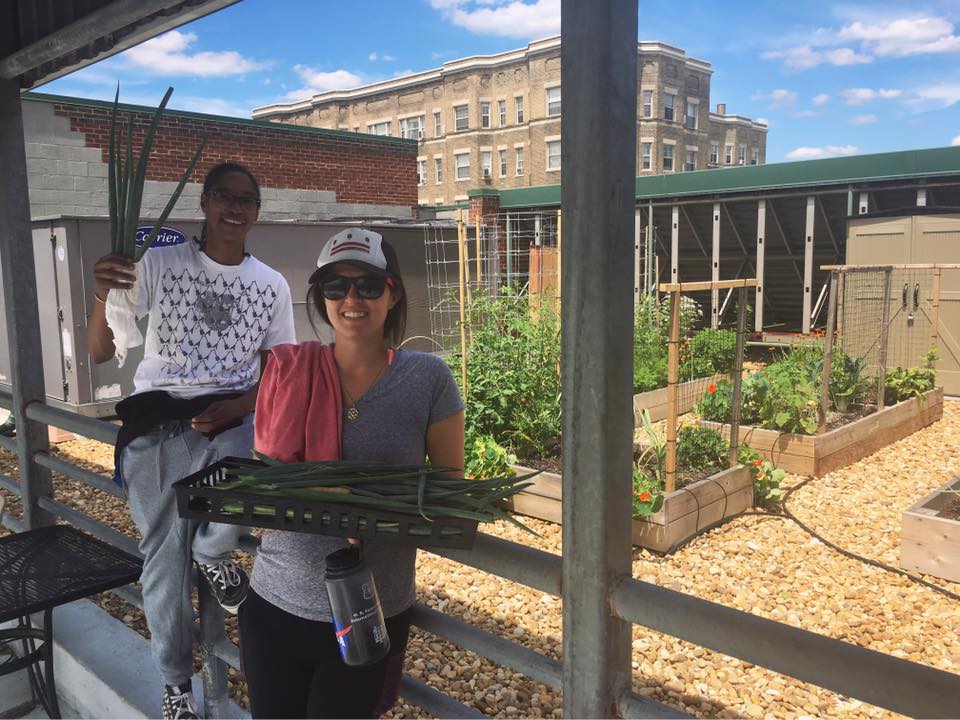
Before the close proximity to public transportation and nightlife, a few hopeful members of the Church of the Savior saw promise in the 20009 zip code. They saw a need for safe, clean, affordable housing and responded.
Eventually they pooled their resources and purchased two buildings in Adams Morgan — The Ritz and The Mozart. This was the start of what we now know as Jubilee Housing. Since then, the organization has purchased and developed nine buildings with a tenth building under construction. In addition to providing permanent, deeply affordable housing in a thriving neighborhood, Jubilee also provides after-school programming and summer camp for the children of working families, counseling for individuals looking to stabilize their financial status, and supportive housing for people returning home after incarceration.
Washington, DC?is experiencing a period of unprecedented growth and development. Unfortunately, not everyone is benefiting from this prosperity. Today, one-fourth of DC residents earn less than a living wage. Market-rate rents in Adams Morgan range between $2,500 to $4,000 a month, which is far beyond the reach of District residents with the lowest incomes.
With a new?five-year plan, Jubilee Housing is determined to create a city where everyone can thrive. One of the most ambitious goals of the plan is to create an additional 100 units of deeply affordable housing, in Adams Morgan, Mount Pleasant, and Columbia Heights, over the next five years.
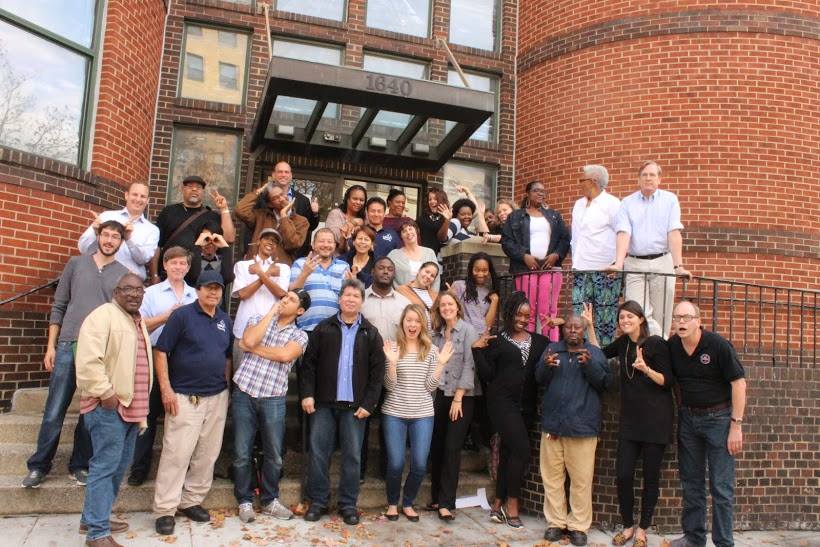
In a city where big developers are fighting for the chance to turn old properties into luxury condos, this is a tall order. To make these 100 units a reality Jubilee launched an innovative financing tool — the Justice Housing Partners Fund. This $5 million dollar fund will provide quick-strike acquisition capital for bridge financing, enabling Jubilee Housing to compete with market forces and build 100 units of deeply affordable housing in high cost neighborhoods.
Jubilee is seeking social impact capital for the Justice Housing Partners Fund for three-year investment terms, with a 2 percent capped return. This will provide Jubilee the critical time needed to assemble permanent financing. Once Jubilee obtains construction financing for a project, the original investment can be repaid with interest or reinvested, if desired.
The Share Fund — a donor-advised fund of the Community Foundation for the National Capital Region — led the way with a $1 million match investment, which inspired other institutional investors such as United Bank, which committed $250,000. To date, Jubilee Housing has raised over $2 million in commitments for the Justice Housing Partners Fund.
Jubilee Housing maintains that justice housingsm?— deeply affordable housing in thriving neighborhoods with onsite or nearby services — is a proven model that can keep our city diverse and make its communities equitable. Justice housing allows long-time DC residents to stay in their neighborhoods despite soaring rents, and for our city’s lowest income residents to move to communities with the most opportunity. The Justice Housing Fund makes it possible for DC to be a city where all races, ages, and incomes can thrive.


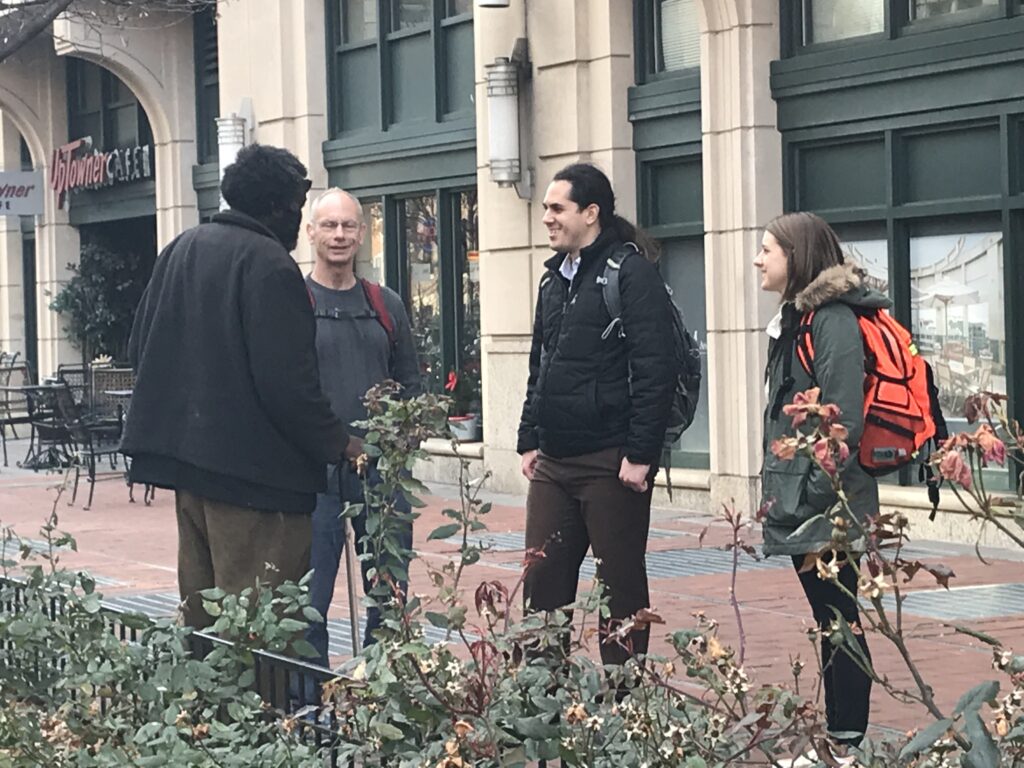 On a chilly afternoon this past December, I accompanied GMC Executive Director, Gunther Stern, and GMC Consultant Psychiatrist, Dr. John Tarim on street outreach (a program where GMC staff check on and visit with individuals experiencing homelessness outside of the Center, directly on the streets). We’d been walking for about an hour and as we made our way down a street in West End, Gunther called out a greeting to an approaching figure — a large man, well over 6 feet tall and of a stocky build, walking with a cane. To protect his privacy, we’ll call him Ed.
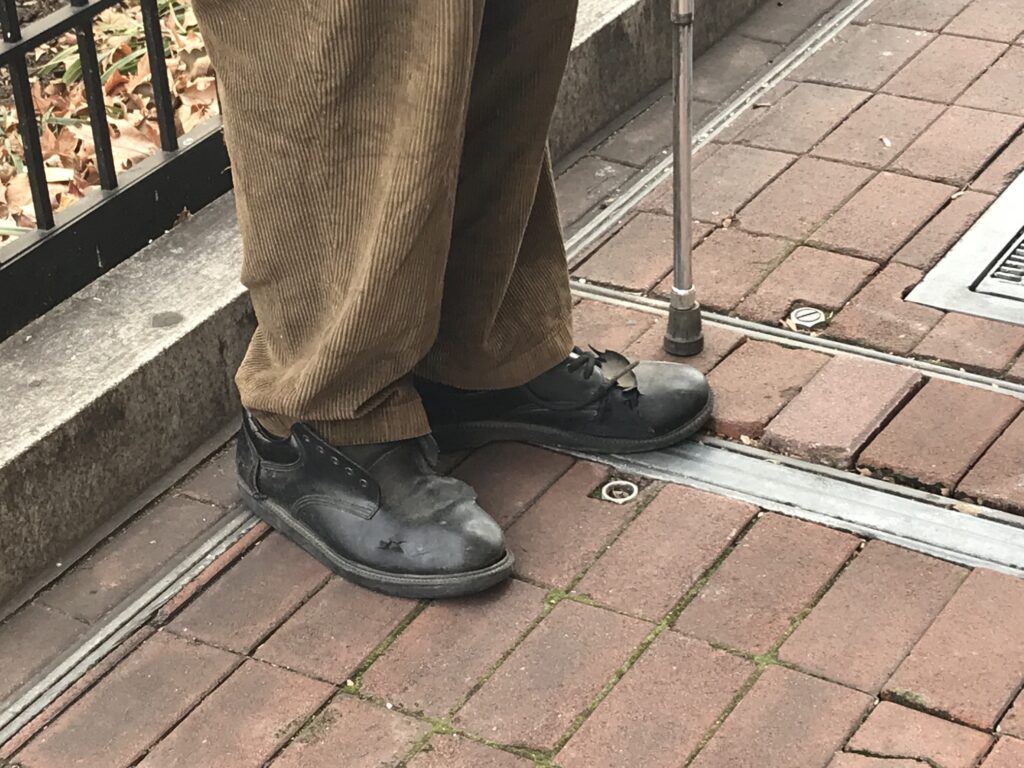 I happened to glance down toward Ed’s feet at the same moment Gunther asked, “How are your shoes holding up?” It was a gentle but pointed inquiry. The answer was obvious to all of us without Ed saying anything. His black, leather shoes were well beyond the point of “holding up” — they were literally falling apart. Only his left shoe had a shoelace. Threads were coming out of the seams on both soles and there were large gaping cracks in the leather on both shoes. The hole on the top of his left shoe was so large that I wondered how it was staying on his foot, let alone providing any protection from the cold.


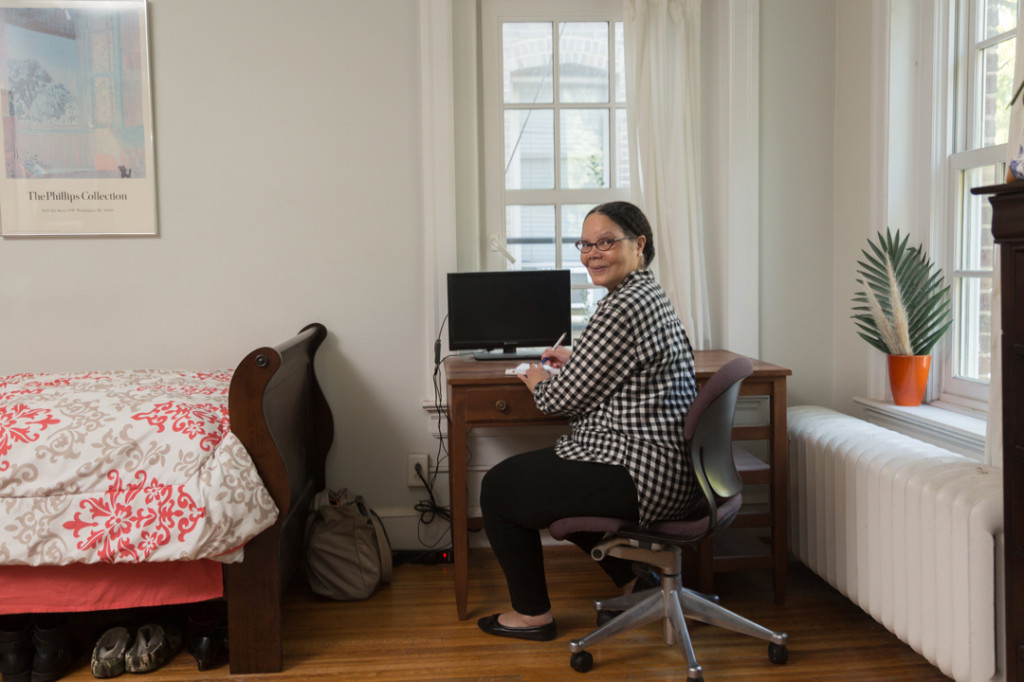
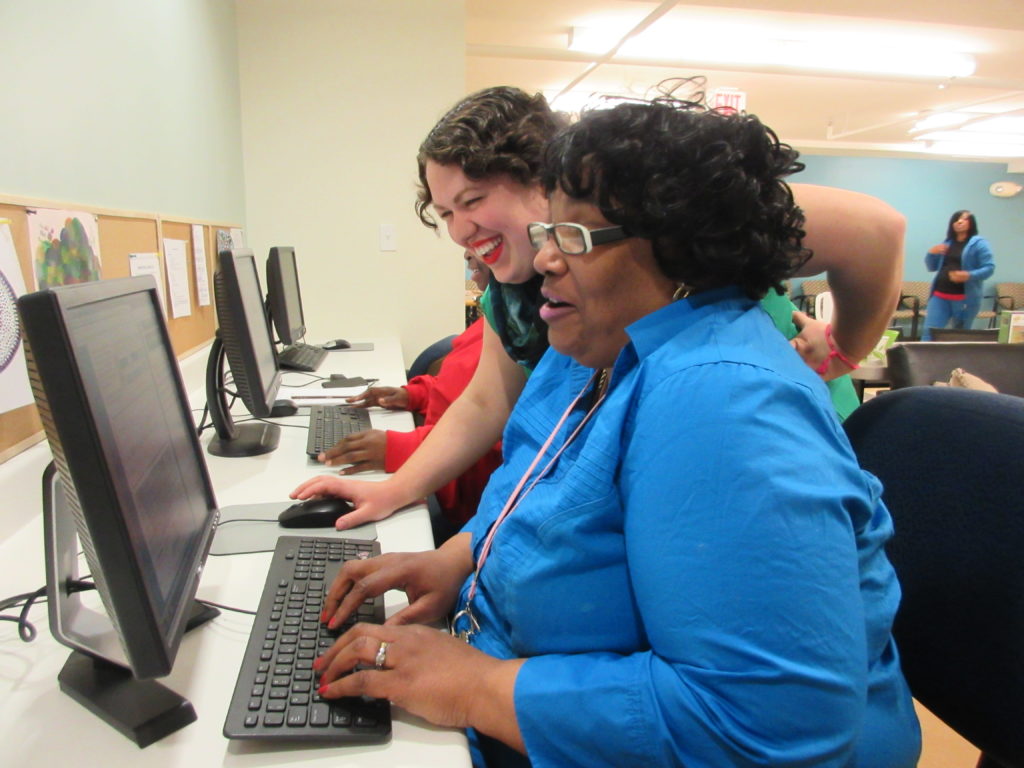
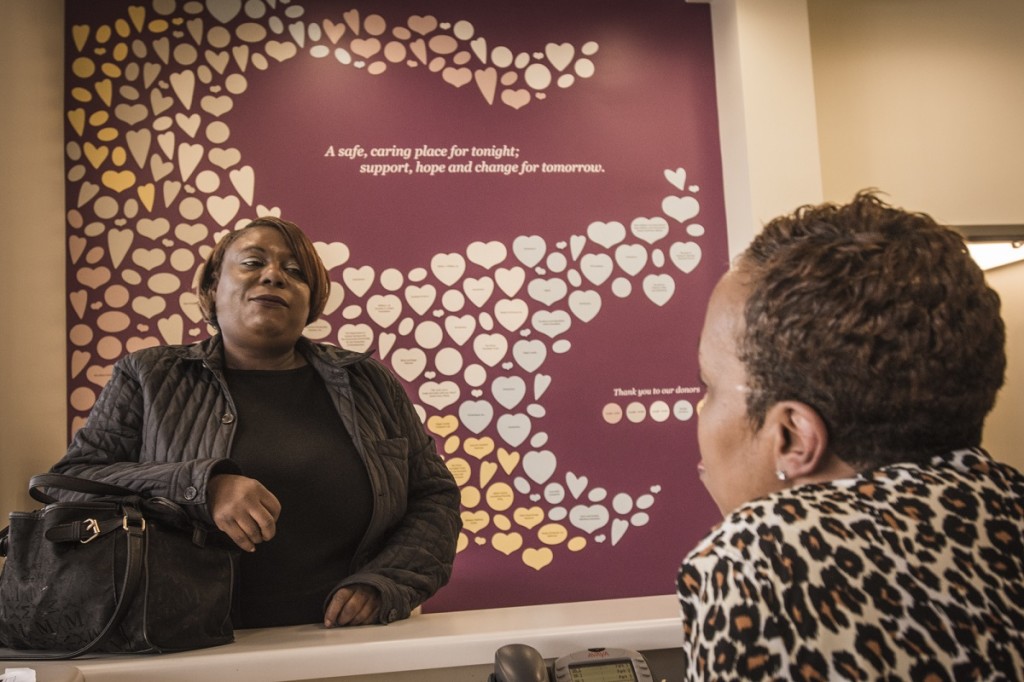
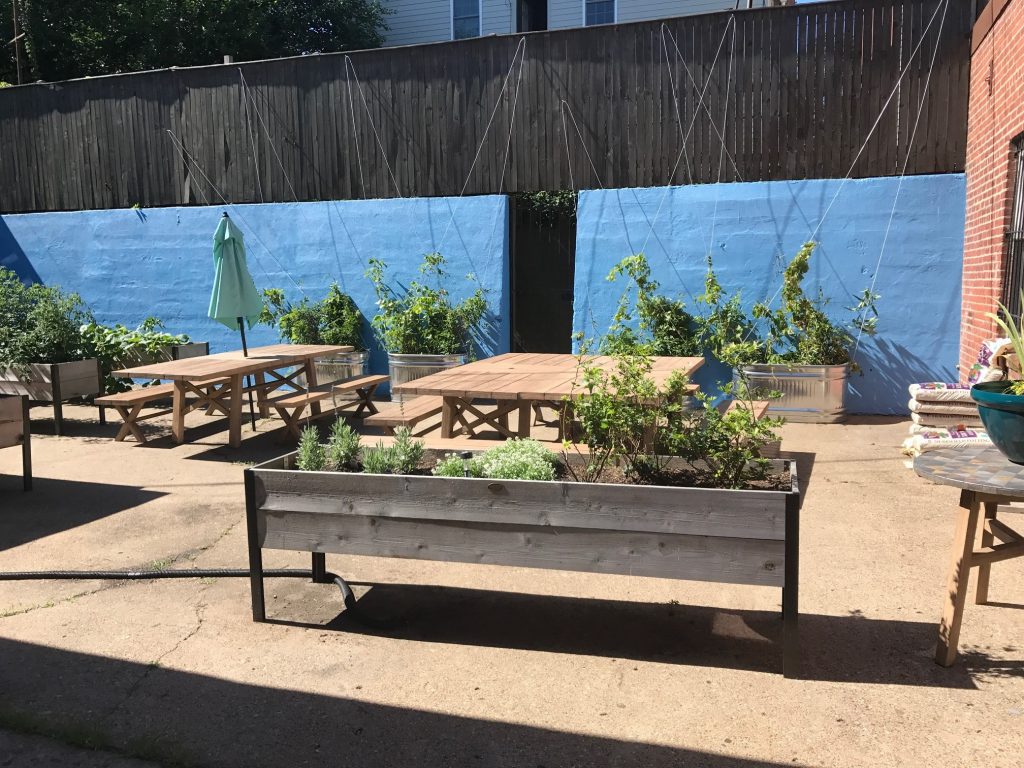
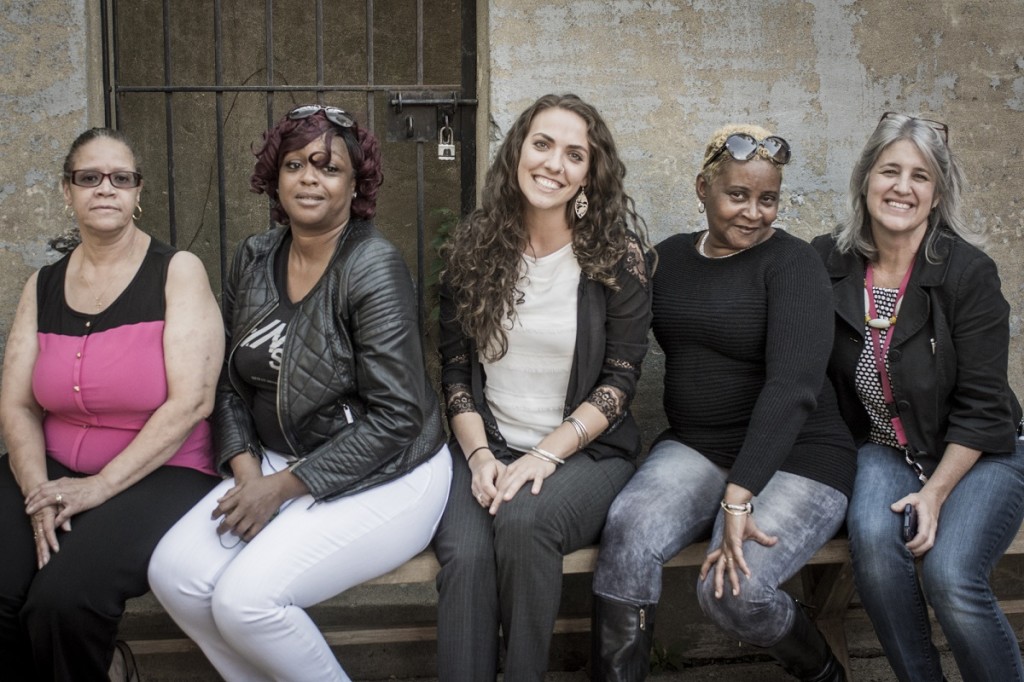
 But the new garden is not the only place where women’s hard work is paying off. Calvary’s safe, respectful community as a whole is a truly amazing place of transformation – a place where it is possible for women to heal from histories of trauma, build supportive relationships, and gain the skills and confidence to live independently.
 I invite you to learn more about Calvary at


 We love


 HomeAid Isn’t Just For Homebuilders: “Helping Hands”